Dental Crowns Southgate CA: How They Help You Smile with Confidence
A damaged tooth changes more than your bite. It changes the way you laugh, the way you order dinner, even the way you hold your mouth in photos. People rarely walk into a dental office asking for confidence, but that is often what they are really after. They want to chew without flinching. They want to stop covering their mouth when they smile. They want a tooth that feels stable again.
That is where crowns come in. For many patients looking into Dental Crowns Southgate CA, the first question is practical: what exactly does a crown do? The short answer is that it restores strength, shape, and appearance to a tooth that can no longer do the job on its own. The longer answer is more interesting, because a crown is not just a cap placed over a tooth. When planned well, it is a custom restoration that can preserve a natural tooth for years and help a person feel normal again.
In everyday practice, crowns solve a broad range of problems. A back tooth with a large crack after years of grinding. A molar weakened by an old filling that has started to fail. A front tooth that had root canal treatment and now looks dark and fragile. A worn-down bite that makes someone look older and feel tired when chewing. Crowns are often one of the most reliable ways to rebuild those teeth without removing them.
What a dental crown actually does
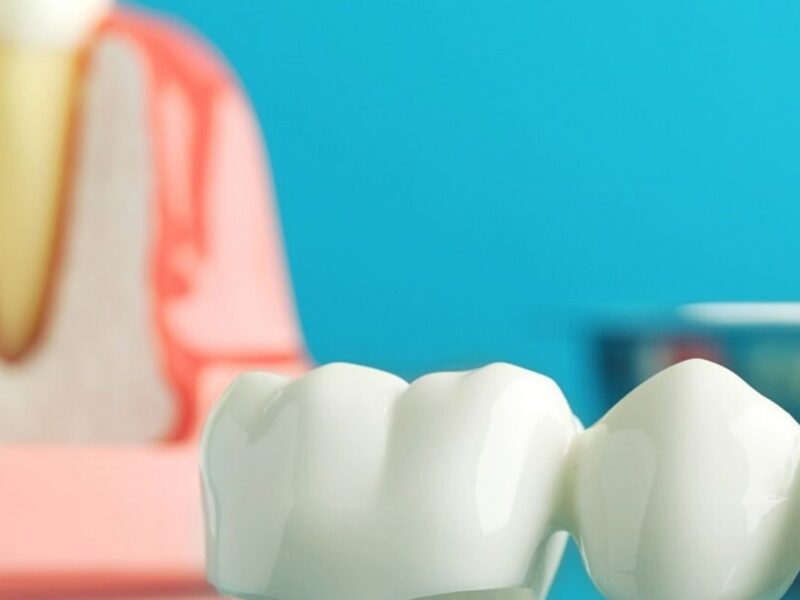
A dental crown covers the visible portion of a tooth above the gumline. It is designed to fit snugly over a prepared tooth so that the final result looks natural, feels balanced, and functions like a healthy tooth should. The crown becomes the new outer surface of the tooth, taking on the work of biting and chewing while protecting what remains underneath.
That protective role matters more than many people realize. Teeth do not always break in dramatic ways. Often, they weaken gradually. A filling gets larger over the years as decay returns around the edges. Tiny cracks form from clenching. Enamel thins. A root canal treated tooth loses internal moisture and becomes more brittle over time. At a certain point, a simple filling is no longer enough. The tooth needs complete coverage, not just a patch.
A good crown also restores form. If a tooth has chipped, shifted, or worn down, the dentist can reshape it with the crown so it meets the opposing teeth properly. That can improve comfort in ways patients notice right away. Food stops getting trapped as easily. The jaw does not have to work as hard to find a comfortable bite. In some cases, headaches related to bite imbalance even become less frequent, though that depends on the broader picture of the patient’s oral habits and muscle tension.
Why people in Southgate often start asking about crowns later than they should
Most people delay treatment for the same reasons. Life gets busy. The tooth only hurts sometimes. The crack does not seem visible. They think they can “be careful” and get a few more months out of it. That happens everywhere, but in busy communities where people are juggling family, work, commuting, and cost, dental treatment often gets pushed down the list until something becomes urgent.
The problem is that teeth do not usually fail on a convenient schedule. A cracked molar can hold together for months, then split on a piece of toast. An old large filling can feel fine, then suddenly loosen. Once the damage crosses a certain line, the options become more limited. A tooth that might have been saved with a crown may now need root canal treatment first, or worse, extraction.
That is one reason dentists talk so much about timing. A crown done at the right stage is often simpler, less expensive overall, and more predictable than waiting until the tooth breaks further. Patients sometimes hear “you need a crown” and assume it is an upsell. In reality, a dentist is often trying to help them avoid a much bigger repair six months later.
The signs a crown may be the right choice
Not every damaged tooth needs a crown, and no ethical dentist should recommend one automatically. Still, there are patterns that come up again and again in practice. Teeth with very large fillings are common candidates, especially when more natural tooth structure has been lost than remains. Cracked teeth are another. So are teeth that have had root canal treatment, because those teeth often need reinforcement against fracture.
Cosmetic concerns can matter too, though function should always lead the decision. If a tooth is badly discolored, misshapen, or worn down in a way that cannot be improved with bonding alone, a crown may provide a more durable and balanced result. Front teeth call for extra judgment, because appearance is critical and more conservative options may sometimes be possible. The right answer depends on how much healthy enamel remains, how the bite comes together, and what the patient expects long term.
Many patients are surprised to learn that sensitivity can be a clue. If a tooth is sensitive when chewing or reacts sharply to temperature, it does not always mean a crown is needed, but it can signal a crack or failing restoration. Dentists look at symptoms, X-rays, bite patterns, and the physical condition of the tooth together. No single detail tells the whole story.
Not all crowns are the same
One of the biggest misconceptions is that every crown is basically identical. They are not. Material choice matters, and the right one depends on the tooth location, the patient’s habits, the cosmetic demands, and the amount of remaining tooth structure.
Porcelain or ceramic crowns are popular because they can look remarkably natural. On front teeth, they are often the best aesthetic option because they reflect light in a way that resembles natural enamel. For visible areas of the mouth, that makes a real difference. A well-made ceramic crown should not look flat, chalky, or overly opaque.
Porcelain fused to metal crowns have been used for decades and can still be appropriate in some cases. They combine strength with a tooth-colored outer layer. The downside is that over time, especially if gums recede, a dark line near Simple Dental South Gate Dental Crowns Southgate CA the gum can become visible. That is one reason many patients now prefer all-ceramic alternatives when appearance is a priority.
Zirconia crowns have become especially common because they offer impressive strength and can work well in back teeth where heavy chewing forces are involved. Some zirconia options also look quite good, though material selection should be individualized. A patient who clenches at night may benefit from a stronger material than someone with a lighter bite.
Gold or other metal crowns are less common today for obvious aesthetic reasons, but they still have a reputation for longevity. In areas that are not visible, they can be an excellent functional choice. Dentists who have practiced long enough have seen metal crowns still performing well after many years, sometimes outlasting more cosmetic materials simply because metal is forgiving under stress.
The process is more precise than many patients expect
When people hear “crown,” they often picture a quick, generic procedure. In reality, good crown work depends on detail. It starts with diagnosis. Before touching the tooth, the dentist has to determine whether the tooth is healthy enough to restore. If there is infection, unresolved nerve damage, or a fracture extending too far below the gumline, a crown alone will not solve the problem.
Once the tooth is deemed restorable, it is shaped so the crown can fit securely. That involves removing damaged structure, smoothing the contours, and making room for the crown material. Precision matters here. Remove too little and the crown may be too bulky or weak. Remove too much and valuable tooth structure is lost. This balance is part of the craft of restorative dentistry.
After preparation, an impression or digital scan is taken. Digital scanners have improved patient comfort considerably, especially for those who dislike traditional impression material. The data is used to fabricate a custom crown that fits the prepared tooth and harmonizes with neighboring teeth and the opposing bite. During this period, a temporary crown is usually placed.
Temporary crowns deserve more respect than they get. They are not just placeholders. They protect the tooth, preserve spacing, and give the patient a trial run for shape and comfort. If the temporary feels too high, rough, or awkward, that feedback can be useful before the final crown is cemented.
At the delivery visit, the dentist checks fit, contacts with adjacent teeth, bite alignment, and color. This is not a step to rush. A crown that is slightly too high can make a patient feel like the tooth is “sticking up,” and it may lead to soreness when chewing. A contact that is too loose can trap food. A margin that is not well adapted can increase the risk of future decay. The best crowns disappear into the mouth, meaning the patient stops thinking about them.
Confidence is not just about looks
People understandably associate crowns with cosmetic improvement, especially when the damaged tooth is visible. But in practice, confidence often comes from function first. A patient who has been chewing on one side for months starts using the whole mouth again. Someone who has been worried about a front tooth chipping during a conversation relaxes. A person who has avoided steak, nuts, or even crusty bread starts eating normally.
There is also a social side to dental repair that rarely gets discussed enough. Many adults are deeply self-conscious about a broken or discolored tooth, even if they hide it well. They may speak with tighter lips, angle their head in photos, or laugh with a hand over their mouth. Once the tooth is restored, their expression changes before anyone mentions appearance. The relief shows up first.
A crown can also support confidence by stabilizing a larger treatment plan. For example, if someone has worn teeth from grinding, restoring one badly damaged molar may be the first step toward rebalancing the bite. If a front tooth has fractured after old trauma, rebuilding it with a crown can restore symmetry to the smile and allow the patient to stop fixating on that one flaw every time they look in the mirror.
When a crown is not the best answer
Good dentistry is not about placing crowns whenever possible. There are times when a different treatment is better. A small chip on a front tooth may be more conservatively managed with bonding. A tooth with extensive decay below the gumline may have a poor prognosis even with a crown. A deep vertical root fracture usually cannot be solved with restoration at all.
There are also bite situations where a crown may fail unless the underlying issue is addressed. A patient with severe clenching can fracture even a strong crown if night grinding is left unmanaged. That does not mean crowns should be avoided, but it does mean the treatment plan should include a protective night guard when appropriate. Skipping that conversation sets both the patient and the crown up for trouble.
In borderline cases, judgment matters. If a tooth can be restored predictably with a large filling and enough healthy enamel remains, that may be preferable to a crown. Preserving natural structure whenever possible is still the standard. The best dentists do not rush to the most aggressive option, they choose the option that fits the biology and the long-term function of the tooth.
What patients usually want to know about pain, cost, and longevity
Pain is often the first concern. Most crown procedures are done with local anesthetic, and patients generally tolerate them well. Some soreness at the gumline or mild temperature sensitivity after the appointment is normal, especially around the temporary phase, but significant pain is not something a patient should be told to simply accept. If a tooth hurts sharply after a crown preparation or feels wrong when biting, it should be rechecked.
Cost depends on several factors, including the material used, the complexity of the case, whether core buildup is needed, and whether related treatment such as root canal therapy must be done first. Prices vary by region and office, so it is more honest to talk in ranges than hard numbers. In many practices, a single crown may Dental Crowns Southgate CA fall somewhere in the high hundreds to low thousands of dollars. Insurance may help, though coverage details vary widely and annual maximums often limit how much is paid.
Longevity is where habits make a real difference. Many crowns last well over a decade. Some last much longer. But there is no universal expiration date. A crown on a patient with excellent hygiene, a stable bite, and regular dental maintenance may perform beautifully for many years. The same crown in a mouth with heavy grinding, frequent decay, or neglected gums may fail much sooner.
Here are the most common reasons crowns need replacement:
- Decay forming at the margin where the crown meets the tooth
- Fracture of the crown material or the underlying tooth
- Bite changes that create chronic stress on the restoration
- Gum recession that exposes margins or affects appearance
- Cement failure or loosening over time
That list tends to surprise patients because several of those problems are not really “the crown going bad” in isolation. They are changes in the tooth and mouth around it. A crown is strong, but it is still part of a living system.
How to make a crown last
After a crown is placed, maintenance is straightforward, though it does require consistency. Brush well along the gumline. Floss carefully around the crown. Do not assume a crowned tooth cannot get decay. The crown itself does not decay, but the natural tooth underneath still can, especially at the edge where the crown meets enamel or root surface.
Chewing habits matter too. Using crowned teeth to crack ice, tear open packaging, or bite fingernails is a fast way to shorten the life of any restoration. Night grinding is a major issue, especially in adults under chronic stress. Many people clench more than they realize. If a dentist recommends a night guard after crown placement, that advice should be taken seriously.
Patients who do best over the long haul usually stay attentive to small changes. If floss starts shredding between teeth, if the bite feels off, if a crown feels loose, or if a dull ache develops when chewing, those are reasons to schedule a check rather than wait. Early intervention can often save the crown or the tooth.
A few practical habits go a long way:
- Keep regular cleanings and exams so margins and gum health can be monitored
- Wear a night guard if you clench or grind
- Avoid using teeth as tools, even “just this once”
- Report bite discomfort early, before it turns into a crack or sore jaw
- Clean around the crown as carefully as you would a natural tooth
Why local experience matters when choosing care
Searching for Dental Crowns Southgate CA is not only about finding a dentist who offers crowns. Almost every general dental office does. The more important question is how thoughtfully the office approaches diagnosis, planning, and follow-through. Crown work sits at the intersection of science and craftsmanship. Materials matter, but so do margin design, bite analysis, communication with the lab, and the willingness to adjust details until the fit is right.
Patients can usually sense the difference during the consultation. A careful dentist explains why the crown is needed, what alternatives exist, what the risks are if treatment is delayed, and what the limits of the procedure may be. They do not make promises that every crown will feel perfect instantly or last forever. They explain the condition of the tooth honestly.
It also helps when a dentist understands the local patient population. In a community practice, dentists often see patterns tied to real life. Patients who delayed treatment because they were caring for family. People with older dental work that lasted years and is finally reaching its limit. Adults with heavy wear from stress-related grinding. Restorative care works best when it is tailored to those realities rather than delivered like a one-size-fits-all service.
A crown can preserve more than a tooth
When a tooth is damaged, people sometimes think only in extremes. Either it is “fine for now” or it has to come out. Crowns sit in the space between those two ideas. They are a way of preserving what is still worth saving. That matters because keeping a natural tooth, when possible, usually supports a more stable bite, more comfortable chewing, and simpler future care.
There is also a psychological value in saving a tooth that should not be underestimated. Patients often feel discouraged when their mouth starts to seem like a series of problems. Repairing and protecting a vulnerable tooth can shift that mindset. It turns a weak point into something dependable.
For many people, that is the real benefit behind Dental Crowns Southgate CA. Yes, a crown can improve the look of a tooth. Yes, it can restore chewing strength. But at its best, it gives back a sense of ease. You stop thinking about that tooth every time you eat, talk, smile, or catch your reflection. You trust your mouth again. And that kind of confidence tends to show up everywhere else.
Simple Dental South Gate
Address: 8617 California Ave, South Gate, CA 90280
Phone number: +13236896118
FAQ About Dental Crowns Southgate CA
How much do crowns cost per tooth?
In the United States, a single dental crown typically costs between $800 and $2,500 per tooth without insurance. The ultimate out-of-pocket price depends heavily on the crown material, the location of the tooth, and whether you have dental insurance coverage.
What is the downside of crowns on teeth?
The primary downside of a dental crown is that the procedure permanently removes natural tooth enamel to shape the tooth for the cap.
Why do dentists push for crowns?
Dentists recommend crowns because a large filling cannot provide enough strength when a tooth loses a major portion of its structure or faces heavy chewing pressure.