Dental Crowns Southgate CA for Smile Makeovers and Restoration
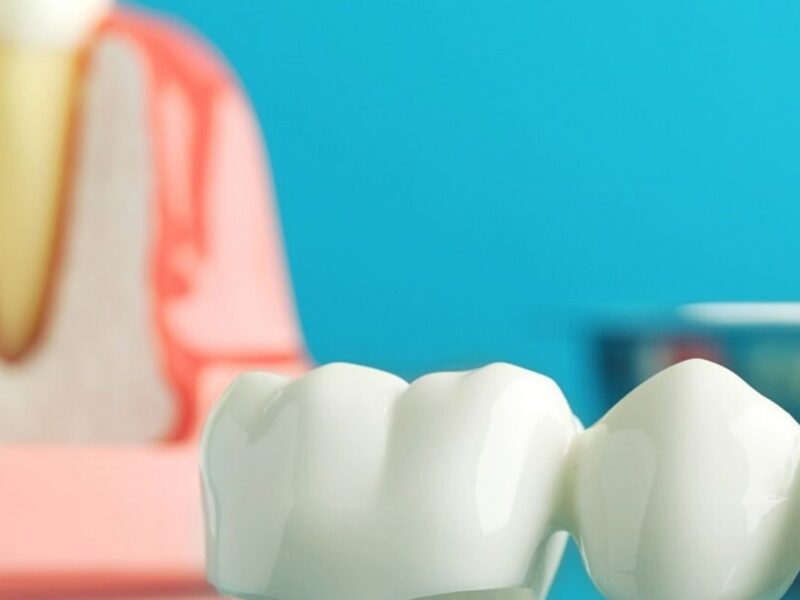

A well-made dental crown does two jobs at once. It protects a damaged tooth, and it restores the shape and balance of a smile in a way that feels seamless. That combination is what makes crowns such a central part of modern restorative and cosmetic dentistry. Patients often arrive focused on one concern, maybe a cracked molar, an old filling that keeps failing, or a front tooth that looks worn down. By the time treatment is finished, they usually notice something broader. Their bite feels stronger, their smile looks more even, and they stop thinking about that tooth every time they eat or laugh.
For people searching for Dental Crowns Southgate CA, the real question is usually not just, “What is a crown?” It is, “Will this solve my problem in a way that looks natural, lasts well, and fits my life?” That is where careful diagnosis matters. A crown is not a one-size-fits-all fix. The right material, the right preparation, and the right bite adjustment can make the difference between a restoration that disappears into the smile and one that feels bulky, obvious, or short-lived.
Why crowns matter in both repair and aesthetics
Crowns occupy a unique space in dentistry because they bridge function and appearance. A filling replaces part of a tooth. A veneer changes the front surface of a tooth. A crown covers the Dental Crowns Southgate CA whole visible portion above the gumline, which means it can rebuild shape, strength, color, and contour all at once.
That matters when a tooth is too compromised for a simple filling but not beyond saving. It also matters when the appearance of a tooth is holding back a smile makeover. A crown can correct a darkened tooth after root canal treatment, rebuild a severely worn tooth, or restore a broken cusp that makes chewing uncomfortable. In the front of the mouth, it can improve symmetry and color when other cosmetic options are not enough.
I have seen patients put off treatment because they assume crowns are only for major damage. Often, the more accurate way to think about them is this: a crown is what you choose when a tooth needs full-coverage support to function predictably again. Sometimes that need is obvious, as with a fractured tooth. Sometimes it shows up more quietly, as with an aging tooth that has more filling than natural enamel left.
The situations where a crown makes the most sense
Dentists recommend crowns for several common reasons, but the clinical judgment behind the recommendation is more nuanced than most patients realize. Two teeth can look similar in the mirror and still require very different treatment.
A molar with a large, old silver filling may develop fine cracks over time. The tooth might not hurt much, but it may flex under pressure, especially when chewing harder foods. In that case, a crown can act like a protective shell, redistributing force and reducing the risk of a larger fracture. On the other hand, a front tooth that has been chipped repeatedly may need a crown because the remaining structure cannot reliably hold a bonding repair.
Crowns are also common after root canal therapy. Once the inner nerve tissue is removed, the tooth remains functional, but it can become more brittle, particularly in back teeth that absorb heavy chewing forces. A crown helps reinforce that structure. Another frequent indication is severe wear. Grinding, clenching, acid erosion, and long-term bite imbalance can flatten and shorten teeth. In those cases, crowns may be used as part of a broader rehabilitation to rebuild lost height and restore a comfortable bite.
Cosmetic reasons come into play as well. If a tooth is deeply discolored, misshapen, or heavily restored, a crown may provide a cleaner and more durable result than repeated bonding. That is especially true when the goal is not just to improve one tooth, but to harmonize it with the rest of the smile.
Crowns in a smile makeover are about proportion, not just whiteness
Patients often think of smile makeovers in terms of color alone. They picture brighter teeth and straighter edges. Yet the most believable cosmetic results usually come from proportion, contour, and light reflection. A crown can influence all three.
A front tooth that is slightly too short can make the smile line look uneven. A canine with heavy wear can flatten the smile and age the face. A crown can restore length and shape in a controlled way, but restraint is important. Teeth that are too square, too opaque, or too uniform can look artificial very quickly.
This is why planning matters so much when crowns are used cosmetically. Shade selection is only one piece of the process. Surface texture, translucency near the edges, and the way the crown relates to neighboring teeth all affect the final appearance. In many cases, the best crown is the one no one notices. It blends with the smile rather than announcing itself.
When multiple crowns are part of a makeover, the dentist also has to consider speech, lip support, and bite. Small changes in tooth position can affect the way a patient says certain sounds or closes the mouth. That is why mock-ups, photos, or provisional restorations are often useful in more involved cosmetic cases. They give the patient and dentist a chance to evaluate aesthetics before the final crowns are placed.
Material choices and what they mean in daily life
Not all crowns are made from the same material, and each option has advantages depending on the tooth, the bite, and the cosmetic goal. Patients are often offered porcelain, zirconia, porcelain-fused-to-metal, or other ceramic-based restorations. The best choice depends less on what is trendy and more on what the tooth needs.
All-ceramic and porcelain crowns are often chosen for front teeth because they can mimic natural enamel beautifully. They allow light to pass through in a way that feels lifelike, especially when crafted well by the lab. Zirconia is valued for strength and is often a strong option for back teeth or for patients who place heavier forces on their bite. Some modern zirconia materials also offer improved aesthetics, making them more versatile than earlier versions.
Porcelain-fused-to-metal crowns are still used in certain situations, though they are less popular than they once were for highly visible areas. They can be durable, but over time some patients notice a dark line near the gum if the tissue recedes or if the crown margin becomes more visible.
There is no single “best” material for everyone. A patient who grinds heavily at night may need a different approach than someone replacing a single front tooth crown in the smile zone. The right recommendation should account for strength, aesthetics, available space, bite pressure, and long-term maintenance.
What the process usually feels like
For most patients, getting a crown is more straightforward than expected. The first visit usually includes shaping the tooth so the final crown has room to fit properly. If the tooth is weak or missing significant structure, a build-up may be placed first to create a stable foundation. Impressions or digital scans are then taken so the crown can be fabricated with precision.
A temporary crown is often worn while the final one is being made. This phase tells you more than many people expect. If the temporary feels too tall, catches food, or looks off, those details can help refine the final result. Good temporary restorations do not just fill time. They are part of the testing process.
At the delivery appointment, the final crown is checked for fit, contact with adjacent teeth, shade, and bite. Bite adjustment is especially important. Even a beautifully made crown can become a problem if it hits too early or carries too much force. Patients sometimes describe a high crown as feeling “slightly strange,” but even subtle imbalance can lead to soreness, sensitivity, or jaw tension if left uncorrected.
In some offices, same-day crowns are available through in-house digital systems. These can be convenient, especially for straightforward cases, but convenience should not override judgment. More complex cosmetic work or cases that require layered artistry may still benefit from a skilled dental laboratory and a custom-fabricated restoration.
When a crown is not the right answer
One of the most important signs of a thoughtful dentist is knowing when not to place a crown. A smaller problem may be better served by a conservative filling, an onlay, bonding, or a veneer. Preserving healthy tooth structure still matters.
For example, if a front tooth has a minor chip and otherwise healthy enamel, a crown may remove more tooth structure than necessary. If a molar has a cavity confined to one area, a filling or indirect onlay might provide enough support without full coverage. In another situation, a crown may technically be possible, but the remaining tooth is so compromised below the gumline that extraction and replacement become more predictable in the long run.
Patients should feel comfortable asking why a crown is recommended instead of a less extensive option. A strong answer usually includes both the current condition of the tooth and the expected forces it will face over time.
How long crowns tend to last
Dental crowns are durable, but they are not permanent in the absolute sense. Longevity depends on the material, the bite, oral hygiene, decay risk, and how much natural tooth structure supports the crown underneath. Many crowns last well over a decade, and some last much longer. Others fail sooner because of recurrent decay at the margins, fracture, heavy grinding, or underlying tooth problems.
The crown itself is only part of the equation. The tooth under it still matters. A beautifully made crown can fail if plaque accumulates at the gumline, if the patient has dry mouth and high cavity risk, or if an untreated clenching habit overloads the restoration night after night.
Patients often assume that once a crown is cemented, that tooth no longer needs attention. The opposite is true. The margin where crown meets tooth needs meticulous cleaning. Flossing is still essential. Routine exams help catch changes early, especially if a crown begins to loosen, chip, or trap food.
Signs you may need a crown evaluation
Some warning signs are obvious. Others are easy to ignore until the problem becomes larger. If you live with any of the following, a dental visit is worth scheduling:
- pain when chewing or biting down
- a tooth with a large old filling that has cracked or broken
- repeated chipping of the same tooth
- a tooth that looks significantly darker than the surrounding teeth
- sensitivity or discomfort around a crowned tooth that has changed recently
Even then, the presence of one of these signs does not guarantee you need a crown. It means the tooth deserves a closer look.
Crowns and comfort, what patients often ask about
The most common question is whether getting a crown hurts. During preparation, the tooth is usually numbed thoroughly, so pain during the appointment is typically minimal. Mild soreness in the gum or jaw afterward is possible, especially if the appointment was longer or the tooth needed extensive shaping. Most patients manage that easily with routine aftercare.
Another frequent concern is whether crowned teeth feel different forever. A crown may feel slightly unfamiliar at first because your tongue is sensitive to tiny shape changes. That sensation usually fades quickly if the contour and bite are correct. If a crown still feels bulky or high after several days, it should be checked rather than endured.
Patients also ask whether crowns stain. Ceramic materials generally resist staining better than natural enamel, but the surrounding teeth can change color over time, especially with coffee, tea, red wine, tobacco, or age-related darkening. That is one reason shade planning matters, particularly in cosmetic cases. Whitening is often done before front crowns, not after, because ceramic shade does not bleach the way natural enamel can.
The local factor in Southgate care
When people search for Dental Crowns Southgate CA, convenience is often part of the motivation. They want quality care close to home, easier follow-up visits, and a dental office that understands the practical side of treatment, scheduling, family routines, work hours, and budget concerns. Those factors matter more than people admit.
A crown is not just a product. It is a process that may involve consultation, imaging, preparation, temporization, delivery, and follow-up adjustments. Being able to return easily if the temporary loosens or if the bite needs refinement is valuable. So is having clear communication about what is urgent, what can wait, and what the alternatives are.
Local patients also tend to appreciate realistic treatment planning. Not every case needs a complete cosmetic overhaul. Sometimes the best care is phased care, dealing first with the cracked molar that is causing symptoms, then later addressing old front restorations once the patient is ready. A dentist who can prioritize without overselling earns trust quickly.
Questions worth asking before you move forward
A short conversation before treatment can prevent a lot of confusion later. If you are considering a crown, ask practical questions that reveal how the case is being planned.
- Why is a crown recommended instead of a filling, veneer, or onlay?
- What material do you recommend for this specific tooth, and why?
- Will I need a buildup, root canal, or night guard as part of treatment?
- How should the temporary feel, and what should prompt me to call?
- What kind of maintenance will help this crown last as long as possible?
These are not confrontational questions. They are the questions of an informed patient, and good clinicians usually welcome them.
How to protect your investment after placement
Once the crown is in place, maintenance is not complicated, but it does require consistency. Daily brushing along the gumline, flossing around the crown margins, and routine professional cleanings all help protect the tooth underneath. If you grind or clench, a night guard can dramatically reduce the risk of fractures, both in crowns and in natural teeth.
Diet matters too, though not in an all-or-nothing way. Most people do not need to avoid normal foods once the crown is properly bonded and adjusted. Still, regularly chewing ice, opening packaging with teeth, or biting hard objects puts any restoration at risk. Those habits shorten the life of natural teeth as well, but crowned teeth can be less forgiving if force is concentrated in the wrong place.
Pay attention to subtle changes. Food packing between teeth, a new rough edge, pressure when biting, or gum irritation around one crown can all signal a developing issue. Catching those early is usually simpler and less expensive than waiting.
The bigger picture, restoring confidence as well as structure
The practical value of a crown is easy to understand. It reinforces a weakened tooth, restores chewing comfort, and can prevent a more serious break. The emotional value is just as real. People smile differently when they trust their teeth. They eat differently when they are not guarding one side of the mouth. They speak more freely when a dark or broken front tooth no longer draws attention.
That is why crowns remain such an important option in restorative and cosmetic dentistry. Used thoughtfully, they do more than cover damage. They rebuild form, function, and confidence in a way that can feel immediate and lasting.
For patients exploring Dental Crowns Southgate CA, the best outcome comes from individualized planning, not rushed treatment. The crown should fit the tooth, the bite, the smile, and the patient’s real life. When those pieces line up, the result does not just look better on the day it is placed. It holds up where it counts most, during meals, conversations, photographs, and all the ordinary moments when healthy teeth quietly do their job.
Simple Dental South Gate
Address: 8617 California Ave, South Gate, CA 90280
Phone number: +13236896118
FAQ About Dental Crowns Southgate CA
How much do crowns cost per tooth?
In the United States, a single dental crown typically costs between $800 and $2,500 per tooth without insurance. The ultimate out-of-pocket price depends heavily on the crown material, the location of the tooth, and whether you have dental insurance coverage.
What is the downside of crowns on teeth?
The primary downside of a dental crown is that the procedure permanently removes natural tooth enamel to shape the tooth for the cap.
Why do dentists push for crowns?
Dentists recommend crowns because a large filling cannot provide enough strength when a tooth loses a major portion of its structure or faces heavy chewing pressure.